Ask any HR manager in Dubai about their attendance headaches, and you will hear the same three complaints:
- Missing timesheets
- Payroll queries that take days to resolve
- Someone, somewhere, clocking in for a colleague who has not even arrived yet
Paper registers and basic swipe cards were fine for a smaller workforce. However, they are not so reliable once a company grows. That is why so many businesses have moved to biometric attendance devices.
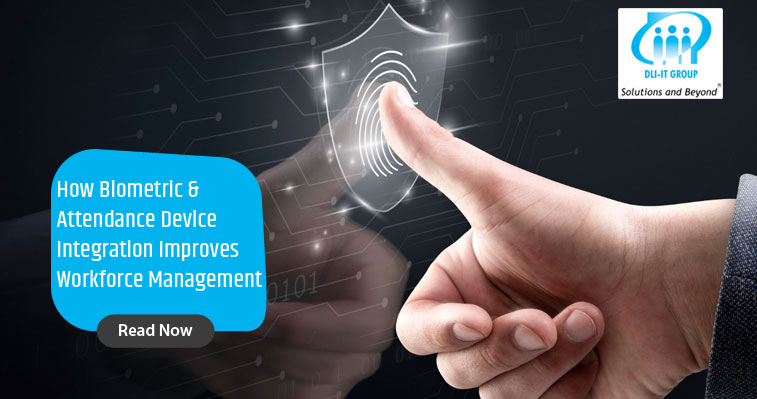
But here is the part people often miss: a fingerprint scanner on the wall does not fix anything by itself. The real change happens when that device is connected to software that can actually do something with the data it collects. Find out more in this post.
An Overview of Biometric Attendance Device Integration
Biometric authentication checks who someone is using a physical trait that belongs only to them, a fingerprint or a face. No two people share the same pattern, which is exactly why this method holds up better than a card or a PIN that anyone can hand over. A scanner can capture that trait on its own. What matters is where the data goes afterwards.
Device Integration Versus Standalone Devices
A standalone biometric device logs a punch and stores it. An integrated one pushes that punch straight into a time attendance system, where it becomes a live part of an employee’s record, ready for payroll without anyone touching a spreadsheet.
| Standalone Device | Integrated Device |
| Keeps data on the machine itself | Sends data to attendance software instantly |
| Needs manual download or export | Updates records without extra steps |
| Reporting is basic | Generates reports on its own |
| Stays apart from HR and payroll tools | Links directly with HR and payroll modules |
A device that only logs a fingerprint has done half a job. Integration is what turns a simple log into something an HR team can actually use, day to day, without chasing files.
Key Attendance Challenges that Businesses Experience without Integration
It is worth naming what goes wrong when it is missing before getting into what integration fixes. Most attendance issues come down to three things:
Manual Tracking & Human Error
Spreadsheets and paper sheets depend on someone typing the right number in the right box, every day, without fail. One missed row, one wrong digit, and payroll for that month is off.
Buddy Punching & Unauthorised Access
Hand someone a card, and they can hand it to a friend. Attendance marked without checking identity is attendance that cannot really be trusted.
Administrative Burden on HR Teams
Reconciling timesheets by hand eats hours that could go towards hiring, training, or simply talking to employees about what they need. It is work that adds little beyond ticking a box.
How Biometric Devices Improve Attendance Accuracy
Biometric devices deal with these three issues right at the source, at the moment someone clocks in, not after the fact.
Fingerprint and Facial Recognition Verification
The scanner reads a fingerprint or a face and matches it against what is stored. Since that trait cannot be passed to someone else, buddy punching stops being possible in any practical sense.
Real-Time Data Capture
Attendance is logged the second it happens. Nobody is waiting until Friday to collect sheets or type figures into a system after the fact.
Reduced Manual Verification Work
Because the device confirms identity at the door, HR no longer needs to cross-check who was actually present against a separate list somebody wrote by hand.
Benefits of Biometric Attendance Software in Workforce Data
Capturing clean data is step one. What happens to it next is where biometric attendance software earns its place.
Organising and Processing Biometric Data
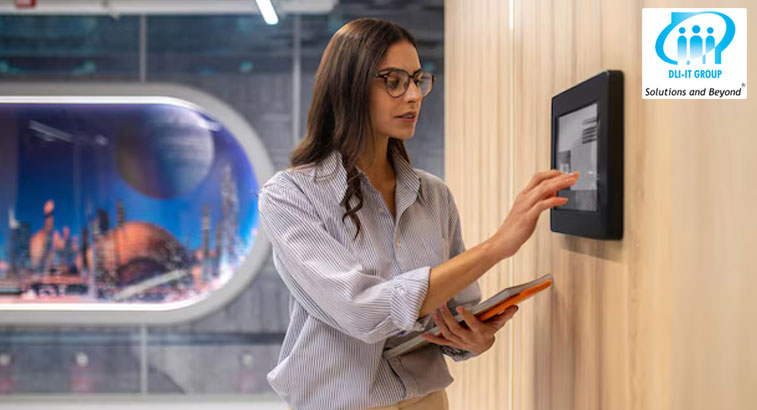
The software takes raw punches and sorts them by employee, shift, and date, without anyone formatting a single row.
Easy Record Verification
Anyone can check attendance records at any point. That shared visibility does more to build trust between HR and staff than any policy memo ever could.
Suitable for Businesses of Every Size
A twenty-person office and a company with several thousand staff both need attendance they can rely on. Biometric software scales to either without forcing a rebuild of the whole system.
Supporting Multi-Location Workforces
Companies running teams across more than one site can pull attendance data into a single view, rather than emailing every branch manager for an update each week.
Audit-Ready Attendance Reports
Reports generate automatically, so when a labour audit comes around, the records are already there, timestamped and ready.
Reduced Attendance Disputes
Records that cannot be altered after the fact settle disagreements about hours worked far faster than a manual sheet ever could.
The Power of Biometric Devices with HR and Payroll Systems in Today’s Era
Attendance data only earns its keep once it reaches the systems that rely on it, and payroll sits right at the top of that list.
Automated Data Flow into Payroll
Once biometric data syncs with payroll, nobody needs to re-enter hours or work out overtime by hand. That single step removes a lot of the errors that creep in during manual calculation.
Mobile & Geo-Tagged Attendance Capture
For staff working off-site, mobile attendance with geo-location adds a layer of accountability. A manager can see when someone clocked in and roughly where they were standing at the time.
Streamlined Employee Self-Service
Staff can look up their own attendance and leave balance without sending HR a message and waiting for a reply. It saves time on both sides.
Selecting the Right HR Software in Dubai for Integration
Picking the right platform matters just as much as picking the right device. Here is what is worth checking before you sign anything.
Look for Real Implementation Experience
A provider that has spent years installing HR, payroll, and time attendance systems in the region will understand local compliance needs far better than one starting fresh.
Check What Devices the Software Actually Supports
A good HR software Dubai provider will work with more than one biometric brand, so you are not locked into a single hardware option down the line.
Ask What Support Looks Like after Installation
Setup is only the start. Ongoing support, staff training, and regular updates matter once the system is actually running.
Confirm Whether It Can Grow with You
Software that only works for your current headcount will need replacing the moment you expand.
Nitgen and Idemia are two biometric brands available for integration with HR platforms in the UAE, covering fingerprint, facial, and access control technology for different workplace setups.
Conclusion
Biometric and attendance device integration cuts down manual errors, tightens identity verification, supports compliance, and grows alongside a business rather than holding it back. A time attendance system paired with biometric attendance software gives a company one reliable source of attendance data, instead of scattered sheets that need double-checking every month.
DLI-IT Group has more than 25 years of experience in HR, payroll, as well as time attendance solutions. The team offers biometric device integration through HR WORKS, along with authorised Nitgen and Idemia for UAE businesses.
Author Bio
The author writes on HR technology and covers topics related to workforce management, biometric systems, HR software trends, etc. She focuses on practical content for businesses looking to simplify their attendance & payroll operations.
FAQs
What’s the difference between a time attendance system & biometric attendance software?
A time attendance system records when staff clock in and out. Biometric attendance software processes that data using fingerprint or facial checks.
How does biometric device integration reduce buddy punching?
Fingerprint alongside facial data belong to one person only. Nobody else can clock in on their behalf. The device won’t match someone else’s traits.
Will biometric attendance devices integrate with HR software Dubai?
Biometric devices, including Nitgen and Idemia, are built to work with HR platforms. These can feed attendance data straight into payroll or reporting tools.
What types of biometric authentication are commonly used for attendance tracking?
Fingerprint and facial recognition are the most common. Some devices also offer scanning for workplaces with higher security.
How does biometric integration help with labour law compliance?
Automatic records make it far simpler to produce accurate attendance reports during an audit. This reduces the manual work in offering compliance.
Will a biometric attendance system be suitable for small and large businesses alike?
Of course, they are built to scale. They work for small teams just as much as they do for large workforces.