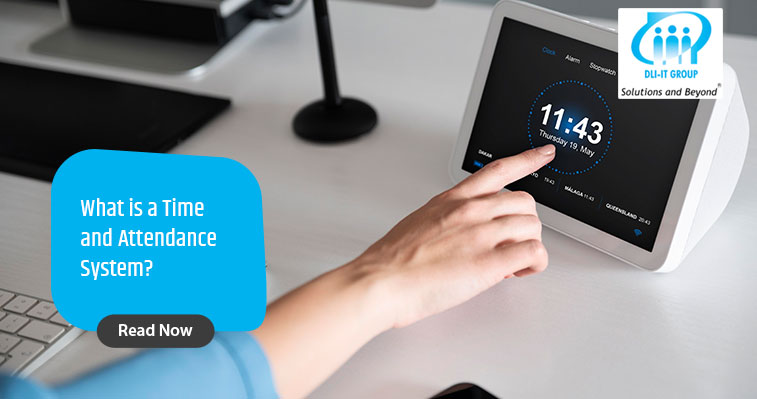
A time and attendance system is a technology solution (hardware plus software) that automatically tracks workplace employee work hours, breaks, and absences, replacing manual methods like paper timesheets to boost accuracy with efficiency, prevent time theft (like ‘buddy punching’), and streamline payroll and HR processes by integrating data and generating reports. Systems use methods like biometrics (fingerprint, face), mobile apps, or web portals for clocking in/out, offering features such as scheduling, leave management, GPS tracking, and payroll integration.
Most business owners still remember the days of handwritten timesheets and punch cards gathering dust in filing cabinets. If you’re running a company today, you know that approach simply doesn’t cut it anymore. A time attendance system has quietly become one of the most important tools in any HR department, and honestly, it changes everything about how you manage your people.
Whether you’ve got five employees or fifty thousand spread across different countries, getting a grip on how your team tracks time can transform your entire operation from chaotic to clockwork.
What Is Time and Attendance Software?
Think of time and attendance software as your digital replacement for the old clipboard and pen routine. Instead of employees scribbling down when they arrived or left, the software automatically records these moments when they use a biometric reader, swipe a card, or tap their phone app. It’s simple technology solving a messy problem.
The real magic happens behind the scenes. Once data comes in, the software doesn’t just file it away in some database nobody looks at. It actually works with your other systems. When someone clocks out at 5pm, that information flows straight into payroll systems so you’re not manually calculating hours.
It talks to your leave management setup so if someone takes Friday off, the system knows they shouldn’t have a work record that day. This is where things get less stressful. You’ve got one central source of truth instead of three different spreadsheets nobody agrees on.
Features of Time and Attendance Software
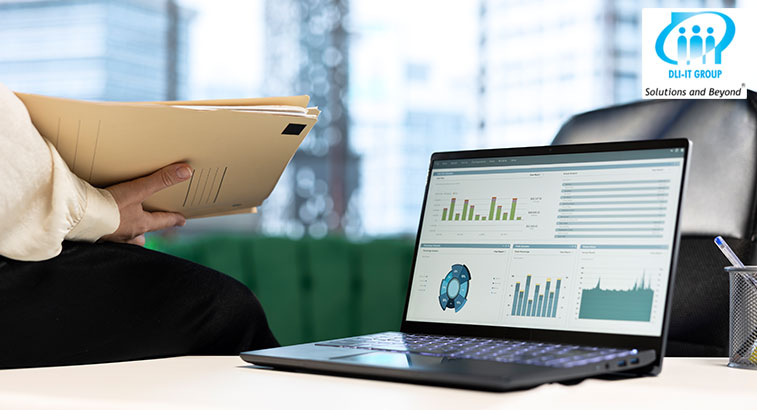
When you implement proper attendance software, you’re getting more than just a clock-in tracker. Real-time visibility means you can open a dashboard right now and see who’s in the office, who’s working from home, and who called in sick. Managers love this because they’re not chasing people down asking, “Are you here today?” They just look at the screen.
The system talks to your payroll automatically, which means your accounting team stops manually adding up hours on Tuesday mornings, comparing notes, and arguing about overtime calculations. That alone saves countless mistakes and hours of tedious work. You can set up different shift times for different teams. The software handles it all without confusion.
When problems pop up, the system flags them for you. An employee didn’t clock in? There’s an alert. Someone worked five hours of unscheduled overtime? You see it immediately. These warnings let you jump on issues before they become bigger headaches.
How Time and Attendance Tracking Actually Works
Let us walk through what happens during a normal day. An employee arrives at the office at 8:47 am and walks up to the biometric terminal by the main entrance. She puts her finger on the scanner, takes about two seconds and the attendance machine stamps the exact time. That’s it.
During the day, the system sits quietly tracking. When Sarah goes to lunch at noon, she clocks out. The system pauses her working hours timer. She comes back at 1 pm, clocks in again, and the timer resumes. At 5:30 pm, she heads home and marks herself out. The software instantly calculates that she worked 8.5 hours today and compares it against her scheduled 8-hour shift. Everything’s recorded, timestamped, and locked in.
For companies spread across multiple cities or countries, all this data funnels into one central system. Your HR manager in London can pull up attendance records for your team in Dubai or see patterns across all locations. Payroll automatically grabs the hours, calculates what everyone’s owed, and feeds that into your accounting system.
Why Use a Time and Attendance System?
Here’s something most people don’t realise until they actually implement one.
These systems save you far more than just time. Your HR team probably spends a ridiculous amount of hours each month dealing with attendance questions. Someone says they worked on Thursday but nobody can find their timesheet. Another person claims they came in at 8 am but your records say 8:15. These tiny disputes add up fast.
The legal side matters too. If your country requires you to prove employees are working the hours they’re being paid for, an attendance system is basically your insurance policy. You’ve got a documented, unalterable record. When auditors come knocking, you don’t have to dig through boxes of papers. You pull up the data and show exactly what happened. That peace of mind is worth plenty.
Employees generally feel better about it, too, which might surprise you. When everyone knows attendance is being tracked fairly and transparently, arguments die down. Nobody can claim they worked 40 hours when records show 35. Nobody can pretend a colleague left early when the system has timestamped evidence. It’s harder to play politics around hours when the facts are digital and clear.
How Time and Attendance Management Software Can Improve Your Business
When you actually start using one of these attendance machine Dubai properly, improvements pop up everywhere.
- Your teams get better at showing up on time because they know it’s being tracked.
- Punctuality naturally improves because people know there’s no arguing with a timestamp.
- Your costs drop in ways you don’t expect.
- Overtime is better controlled because you’re seeing real numbers instead of rough estimates.
- Payroll errors basically disappear, which saves your finance team from processing corrections weeks later.
- If your office building has empty desks most afternoons, the data shows it – maybe you can rethink your workspace, sell unused desk space, or let more people work from home.
- You can actually spot patterns now. Maybe your customer service team always has higher absences on Mondays. Maybe your warehouse crew regularly works unplanned overtime because you’re understaffed.
- With real data in front of you, you can make sensible decisions and hire more people, adjust schedules, or figure out what’s causing the problem. You’ve got evidence backing up your choices instead of just gut feelings.
Conclusion
The shift from clipboard timesheets to digital time attendance system tracking isn’t just about updating technology. It’s about running your business smarter. You get better accuracy, cleaner compliance with laws, less time wasted on admin work, and happier employees who trust the process. When you look at how much time your HR team spends wrestling with attendance issues, implementing a proper system usually pays for itself within months.
Most business leaders realise too late how much mental energy gets tied up in attendance arguments and disputes. A time attendance system takes that whole headache off your plate. Your HR people can stop playing detective about who was here when and start focusing on things that actually grow your company.
Your managers get real data instead of approximations. Your employees know exactly where they stand without any grey areas. It’s one of those tools that seems like a big investment upfront but transforms your operation once it’s running.
About Author
The author is a seasoned expert in workplace technology and human resource management systems. With extensive knowledge of digital transformation, the expert helps businesses implement efficient tracking solutions. The writing focuses on simplifying complex technical topics for business owners who want to improve productivity and ensure full legal compliance today.
FAQ’s
What is a time attendance system?
A time attendance system is a digital tool that records when your staff start and finish work. It replaces manual paper logs and ensures that your payroll data is always accurate.
How does biometric tracking work?
Biometric tools use unique physical traits like fingerprints to verify an employee identity. This prevents people from clocking in for each other and keeps your workplace security levels very high today.
Can I track remote workers?
You can use mobile apps with GPS features to monitor staff who work away from the office. This ensures they are at the correct location at the time of their scheduled working hours.
Is this software easy to use?
Modern attendance software features simple interfaces that you and your staff can learn very quickly. Most systems offer self-service portals so employees can manage their own schedules and their holiday requests.
What are the legal benefits?
The system keeps the detailed records required by UK law for at least two years. This protection helps you pass audits and proves that you follow all national working time regulations.
Does it save my business money?
Automating your records prevents costly payroll errors and reduces the time spent on manual administration. You will find that eliminating time theft significantly lowers your total labour costs over the year.