AI has gone a long way from being the only futuristic concept to level up automation and other work across industries. The modern revolution is marked by the increasing dependency of AI & Intelligent automation for manufacturing and other industries. In this, visual AI is gaining popularity, which is a blend of intelligent automation, vision, and machine learning. This can effectively shape the ways industries run, and can streamline tasks, reduce expenses, and downtime.
One of the key reasons for companies being fond of such digital transformation is the ability of advanced machines to see and analyse. It boosts decision-making, reducing the chance of human error and ensuring accurate and fast results.
This is what facilitates work in most industries, and visual AI has become its key component. It gives a competitive edge to the companies and helps with smart decision-making. From real-time insights to boosting operational excellence, there’s a lot these advanced AI machines can achieve for your business processes.
Let us check on the growing influence of AI in manufacturing, retail, and other industries. It is offering the best results to the end-users, and businesses are relying on a structured approach.
How is Visual AI an Effective Part of Digital Transformation?
Visual AI includes the use of components like video recognition and image, which are powered by machine learning and can interpret visual data. This is used to recognise patterns, classify items, detect errors, and often anticipate trends for the future. In various industries, these are useful to scale up production work, automate inspection tasks, and optimise the inventory system. This is how the visual AI machines are way smarter than the traditional ones.
The use of visual AI evolves every day, and there is increasing reliance of industries, from manufacturing to retail, on it. From detecting car parts to analysing customer movement and others, the AI & Intelligent automation for manufacturing is becoming increasingly crucial. Visual AI offers excellent visual data, with actionable intelligence, facilitating better workflow and improving the outcome.
How is the Manufacturing Industry Dependent on Visual AI?
Manufacturing is one of the industries experiencing significant changes due to reliance on Visual AI. The smart cameras, sensors, and use of advanced automation tools have elevated the production level, making it effective. Some of the key benefits of talking here are:
- Predictive Maintenance
Downtime can be costly for manufacturers, and so, integrating with visual AI can help get rid of these challenges. From ease of integration with monitoring systems to ease of detecting errors, or detecting overheating or vibration problems, AI can find patterns and adopt strategies to prevent breakdowns. It can further prevent chances of interrupted production and help with proper asset allocation and use.
- Quality Control and Look for Defects
Visual AI offers excellent quality checks, offering real-time data and ease of automation. The cameras are AI-powered, helping identify defects in minutes.
- Improve Supply Chain System
Visual AI helps in supply chains by maintaining transparency in work. From checking the raw materials to tracking goods and their delivery, AI-powered systems are accountable for every detail of the supply chain, making it easy to handle. It helps gather quick information about logistics, helping the team to make fast decisions and meet clients’ delivery deadlines easily.
- Ensure High Safety and Compliance with the Team
In high-risk manufacturing work, Visual AI can detect an unsafe environment or a missing gear. It can restrict areas that are not safe to access or work in. AI-powered tools that can instantly generate alerts can ensure top-notch safety in workplaces and comply with regulatory norms.
These are some of the advancements made possible due to the increasing influence of visual AI. The AI & Intelligent automation for manufacturing, retail, and other industries, for more than just efficient workflow. It is about having an adaptive and productive ecosystem for a business.
Can Visual AI Boost Customer Experience in the Retail Industry?
Influence of AI in manufacturing improves efficiency, but in retail, it impacts personalisation and shopping experience, for fast decision-making of customers. Retailers are relying on visual analytics to gain a better idea of customers’ experience and adopt strategies to improve engagement.
- Deciding on the Right Store Analytics
Cameras embedded with AI can track customer movement and interaction time in stores. By checking on such insights, it helps the brand maximise product visibility and increase the chance of sell. They can also work on areas to boost customers’ overall shopping experience, making the most of digital transformation.
- Improving the Shopping Experiences
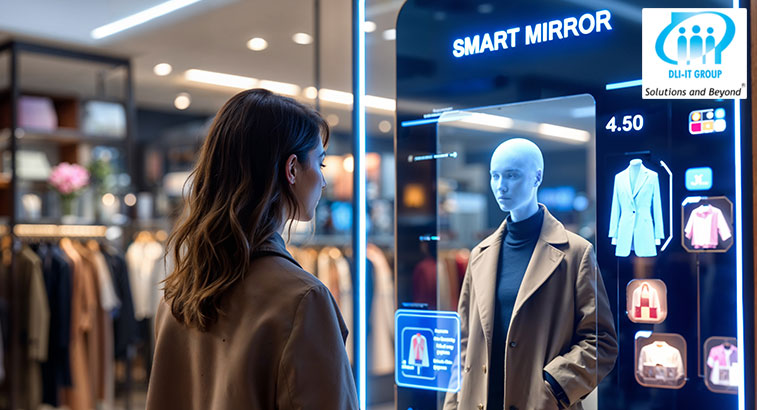
Visual recognition by AI tools can help understand how customers shop. From try-on fashion trends in retail shopping to offering recommendations and style advice in the market, the visual AI offers an elevated customer experience as per one’s preference. This is when personalisation is mixed with convenience to make online shopping a great experience.
- Better Inventory Management
Visual AI can automate inventory by identifying the empty shelves and managing inventory efficiently. It eliminates errors and makes it easy for customers to find the available options. As retailers can predict demand, AI-powered inventory management makes the task easier than before.
- Better Safety Measures
The advanced security systems, which are AI-powered, help identify suspicious activities in a system. This is how AI helps beyond surveillance and improves the safety levels. It further impacts operational integrity, helping maintain a secure retail environment.
Other than manufacturing and retail, the visual AI has immense benefits in construction, transportation, healthcare, and the agricultural sector. The digital transformation is worth the benefits experienced by business sectors and gives a competitive edge to others. It further helps with decision-making and embraces innovation to develop sustainable growth for every organisation.
Path of Automation by Use of AI and Machine Learning
The industrial revolution is highly impacted by visual AI and other machine-learning-powered tools. It is both automation and intelligence, where everything is predicted based on an algorithm. The IoT, robotics, along with the influence of AI, can unlock potentials that otherwise went missing and help industries maximise innovation for increased productivity.
Visual AI helps with self-correcting steps in production, where machines work without human interference. In the case of the retail industry, it offers an AI-driven shopping experience, both online and offline.
This shows the shift from automation to intelligence, which shapes the way businesses run and will continue to value the influence of AI in the future. The shift helps automate the repetitive tasks and helps focus on creative and innovative ones. The transformation further ensures companies experience fast response time, reduce errors, and improve accuracy in work. This is how visual AI evolves and is turning data into useful insights for companies.
The Final Part
Be it manufacturing or the storefront, there is immense use of visual AI, and it further leads the way to innovation and advancement. Here, AI-powered tools have been adopted to help organisations interpret and act smartly, giving a competitive edge to others. By introducing AI for manufacturing and other industrial work, it can ensure a smart workspace and operations, reduce waste, and increase safety.
Digital transformation helps businesses focus on a customer-centric approach, helping customers get what they look for in a business. This is how visual AI and machine learning are shaping the future of the business and transforming today’s world into an intelligent industry. This is how investing in skills and data security can help an organisation stay ahead of others. Adopt the right strategy that helps integrate AI into the modern ecosystem. It further helps amplify profitability and productivity.