
You might have noticed how business conversations have shifted lately. It is no longer just about the annual profit margin or the latest share price. Investors, customers, and employees are asking challenging questions about how companies actually behave. This is where Environmental, Social, and Governance (ESG) standards come into play.
This blog explores why these standards matter and how they change your daily operations. You will learn about the specific pillars that define a responsible company and see how ESG solutions help you build a resilient brand.
What is ESG? Meaning and Importance
ESG serves as a framework for evaluating how a business manages risks and opportunities related to environmental and social conditions. Think of it as a more sophisticated version of Corporate Social Responsibility. While the old model was about “doing good” as a side project, ESG is about how a company makes its money in the first place.
It matters because the modern market rewards stability and foresight. You probably want to know if a company is prepared for a low-carbon economy or treats its workforce fairly. These factors now appear as financial indicators. High ESG scores often correlate with lower capital costs and better long-term performance.
Pillar 1: Environmental – Driving Sustainable Growth
The first pillar focuses on how a business performs as a steward of our physical natural environment. This covers everything from the greenhouse gases you emit to the way you manage waste. It is about reducing the negative footprint while actively seeking ways to restore natural systems.
-
Managing the Carbon Footprint
Decarbonisation is the cornerstone of the environmental pillar. Companies are now expected to track Scope 1, 2, and 3 emissions. You have to look at your direct fuel use and the energy you buy. Most importantly, you must examine your entire supply chain. Reducing these emissions involves switching to renewable energy and improving energy efficiency in offices.
-
Natural Resource Stewardship
This goes beyond just carbon. You need to consider how your business uses water and raw materials. Are you depleting local water tables? Are you sourcing materials from deforested areas? Moving toward a circular economy model helps you keep resources in use for as long as possible. It minimises the need for constant extraction while lowering your overall environmental impact.
Pillar 2: Social – Building Responsible Communities
The social pillar examines how your company manages relationships with its employees, suppliers, customers, and the communities where it operates. It is about creating a culture where people feel safe, valued, and respected.
-
Employee Wellbeing and Diversity
Your workforce is your greatest asset. Social criteria look at fair pay, health and safety, and diversity and inclusion. You should aim for a workplace that reflects the diversity of the real world. This is not just a tick-box exercise. Diverse teams bring different perspectives, leading to better problem-solving. It also includes providing training and development so your staff can grow with the business.
-
Community and Supply Chain Ethics
How does your business affect the people living near your factories or offices? Giving back to the local community is a start, but true social responsibility goes deeper. You must ensure that your suppliers follow ethical labour practices. This means no forced labour or child labour anywhere in your chain. Providing excellent ESG solutions for social tracking helps you spot these human rights risks before they become crises.
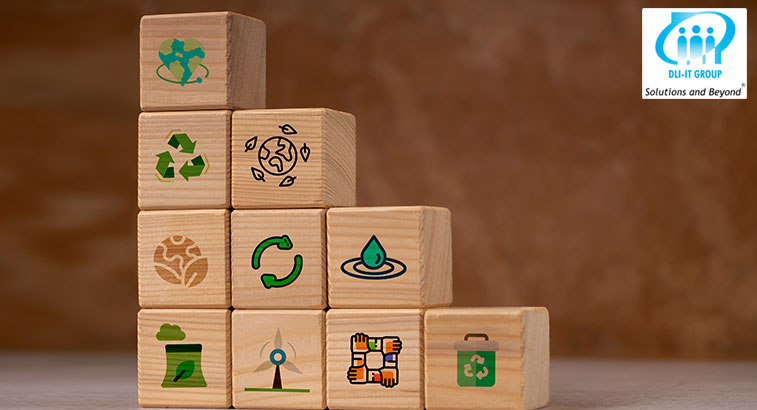
Pillar 3: Governance – Ensuring Ethical and Transparent Practices
Governance is often the “silent” pillar, but it holds everything else together. It refers to the system of rules, practices, and processes by which a firm is directed and controlled. Without strong governance, your environmental and social goals will likely fail. You need a clear structure to hold leadership accountable.
-
Board Diversity and Executive Pay
Good governance starts at the top. You want a board of directors that is diverse in thought and background. This prevents “groupthink” and leads to more balanced decisions. Executive compensation is another crucial area to consider. It is about ensuring whether the leadership’s pay is tied to future sustainability goals. If the CEO only gets a bonus for short-term profits, they might ignore environmental risks.
-
Business Ethics and Transparency
It primarily involves your policies on handling corruption, bribery as well as political contributions. It is important to maintain transparency to gain and maintain trust. Be open about how you handle data privacy and make informed decisions. Maintaining high governance standards means you avoid legal battles or reputation-damaging scandals. This kind of predictability is something all investors value.
Pillar 4: The Emerging Pillar of Data and Technology
While the original framework had three parts, a fourth pillar is rapidly appearing: Data and Digital Ethics. In a world driven by AI and big data, how you handle digital information is a major ethical concern. This overlaps with governance but deserves its own focus because of the sheer scale of digital operations today.
-
Protecting Digital Rights
Ensure that technology usage does not invade privacy or create bias. When using algorithms to hire people, always ensure the tools are fair. Protecting customer data is no longer just a technical requirement; it is a moral obligation. Using ESG Advisory services Dubai can help you align your digital strategy with global ethical standards.
-
Integration and ESG Reporting
Having goals is one thing but proving you are meeting them is another. Integration means making these pillars part of your daily operations. It is not just something for the annual report. You need to collect accurate data across every department.
Choosing the Right Framework
There are several ways to report your progress. You should choose the one that best fits your industry and stakeholder needs. Consistent reporting allows people to compare your performance with your peers. It builds a bridge of trust between your company and the public.
Why ESG for Businesses Matter Now More Than Ever
Some people still think ESG is just a cost. In reality, it is a way to future-proof your business and aids in identifying risks that traditional financial analysis might miss. For example, a company that ignores water scarcity might find its production lines halted during a drought.
Attracting Talent and Capital
The younger generation of workers wants to work for companies that share their values. If you want the best talent, you need a strong purpose. Similarly, trillions of pounds are flowing into sustainable investment funds. If you don’t meet these standards, you might find yourself locked out of important funding opportunities.
Conclusion
ESG is the future of the global economy and a mindset shift. It gives you a clear way to build a better business. By focusing on the environmental, social, and governance pillars, you protect your firm from risks. You also create a workplace where people feel valued and supported using ESG Advisory services in Dubai. This isn’t about being perfect; it is about being honest and showing continuous improvement.
About Author
The author is a senior and veteran business consultant who specialises in workforce management and corporate ethics. The expert helps companies implement advanced digital HR solutions to move toward sustainable growth by improving their internal systems and also believes that a happy team is the foundation of every successful business.
FAQs
How does ESG help a business grow?
ESG identifies risks before they become problems. It also attracts investors and talented employees who want to support ethical companies. This leads to better financial health as well as stability.
Why is the Social pillar important for staff?
The Social pillar focuses on employee health and fairness. It helps you prevent burnout and mental fatigue. A focus on social needs leads to a more loyal and productive team.
How does Governance affect my reputation?
Governance creates clear rules for leadership and transparency. It ensures honest reporting and fair executive pay. Strong governance prevents corruption and builds long-term trust with your investors and the public.
Can small businesses use ESG solutions?
Every business can use these tools to improve efficiency. Small firms benefit from lower energy costs and better staff retention. It also prepares you for future government regulations.
What does the Environmental pillar track?
This pillar tracks your carbon footprint and waste. It looks at how you use natural resources like water and energy. Reducing these impacts helps the planet and cuts your bills.
Is ESG just for large corporations?
Businesses of all sizes benefit from these practices. Small firms can use ESG to save money on energy, improve employee morale, and win contracts with larger, sustainability-minded partners.