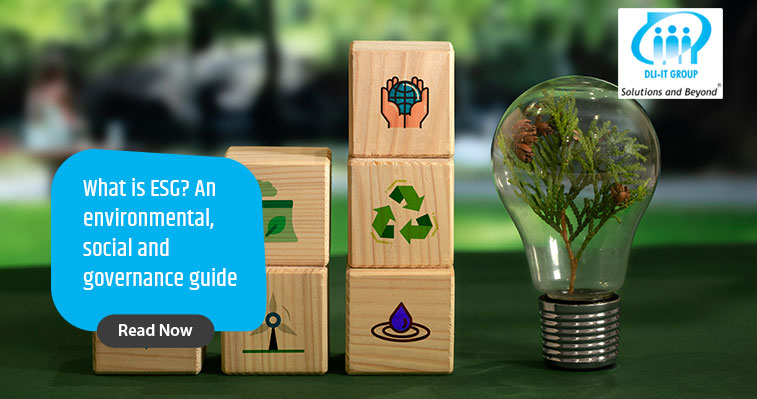
You’ve probably noticed ESG popping up everywhere lately. Your bank mentions it. Companies put it in their reports. News outlets won’t stop talking about it. But if you’re honest, you might not be entirely sure what it actually stands for or why everyone suddenly cares so much about it. Read on to find everything about ESG services and its importance in the current times.
What is ESG?
ESG is short for Environmental, Social, and Governance. It’s basically a way to measure how responsibly a company actually runs itself. Gone are the days when profits were the only number that mattered. Now organisations face real pressure to think about their impact on nature, how they treat their people, and whether they operate with integrity.
What’s genuinely interesting is how ESG has stopped being some fringe concern and become a normal business conversation.
- Investors look at ESG scores before investing money.
- People want to work for companies whose values match their own.
- Customers actively choose brands that seem to care about more than just money.
This reveals something important about where society is heading: companies are being held accountable for their choices.
Breaking Down the Three Core Areas
ESG Digital Services Dubai splits into three separate but connected pieces. Each one covers a different side of how companies behave.
- Environmental is about what a company does to the natural world. This includes greenhouse gas emissions, how they handle waste, whether their operations use energy efficiently, water consumption, and climate risks. When you look at environmental impact, you’re checking out what the company does directly and what happens further down their supply chain.
- Social focuses on relationships between people. This covers how a company looks after its workers, their track record on bringing diversity into the workplace, their ties to local communities, and whether customers are satisfied. It also touches on labour standards, safety, and making sure everyone can access the company’s products or services fairly.
- Governance looks at how decisions get made inside an organisation. This covers who sits on the board, how much executives get paid, what rights shareholders actually have, and whether the company operates honestly. Good governance means people can see what’s happening and someone takes responsibility when things go wrong.
These three pieces need to work together. You can’t say you’re serious about ESG if you cut carbon emissions but treat workers badly, or if you have diverse hiring but cook the books. Real commitment means doing the hard work across all three areas.
Why This Matters for Business Now
There’s a solid financial reason companies are paying attention to ESG. Companies with strong ESG practices tend to make more money over the long run than their competitors. They attract better employees who stay longer. Customers stick around. The team runs into fewer legal problems.
Insurance companies now look at your ESG record when calculating your premiums. Banks check your ESG performance before approving a loan. Investment managers won’t even consider buying stock in companies with poor ESG practices. This creates real pressure. Companies that ignore ESG start facing actual consequences in terms of funding and rates.
Then there’s what happens to your reputation. One big environmental disaster or news story about poor working conditions can haunt a brand for years. Social media spreads these stories instantly to millions of people. Companies with weak ESG performance find themselves constantly fighting scandals instead of getting on with their actual work.
What ESG Services Actually Do

Most companies find it difficult to get ESG right on their own. They lack the knowledge. They don’t know where to begin and struggle to figure out what to measure. That’s where ESG services enter the picture.
ESG services help organisations build a real strategy. Specialists conduct audits of current operations, help set targets that are actually achievable, and work through action plans step by step. They spot problems your own team might miss. They compare your performance against what other companies in your industry are doing.
Often companies learn they’re already doing quite a bit more than they realised. An audit uncovers environmental work scattered across different departments. These services gather all of this together and show the bigger picture.
The payoff goes beyond just ticking boxes. Services help companies explain their sustainability story in ways people actually believe. They check that what you say matches what you’re actually doing. They get your teams ready to answer tough questions from investors and regulators.
Getting Your ESG Framework Right
ESG only works when it’s properly structured. When random environmental projects happen in different departments with no coordination, nothing adds up and nobody remembers who’s doing what. You need clear ownership, everyone knows their job, and you have actual numbers to track progress.
Most organisations pick someone to lead ESG or set up a small team for it. This group works across finance, operations, human resources, and communications to make sure ESG becomes part of how the company normally works. They make decisions about priorities and keep people accountable.
Written records matter a lot. You’ve got to document what you’re doing, record the results, and share what you find honestly. This paper trail is how you keep improving over time.
Managing Your ESG Data Effectively
You can’t improve something you don’t measure. ESG Data Management has become genuinely important as companies get more serious about sustainability.
ESG Data Management means pulling together information from all over your organisation, sorting it properly, and making sense of it. Environmental data includes carbon numbers, how much water you use, and rubbish figures. Social data covers employee happiness surveys, how diverse your workforce is, and accident records. Governance data includes board meeting notes, whether people follow the policies you’ve set, and compliance records.
The real problem is getting consistent, reliable data. Different teams might track the same thing in completely different ways. Old computer systems can’t talk to new ones. Information scattered across a hundred spreadsheets makes everything slow and full of mistakes.
Creating a Proper Data Setup
Smart companies see that messy data systems get in the way of real progress in ESG Digital Services Dubai. Moving to one platform that connects everything simplifies how you collect information and cuts down on errors. Cloud systems let you see what’s happening across all your locations and departments in real time.
A good data management system should have:
- Ways to collect information automatically so people aren’t typing it in manually
- Clear rules about what each piece of data means so everyone’s on the same page
- Regular checks to catch mistakes before you report anything
- Connection to your current business software
- Safe storage with only the right people able to see it
- Tools that turn raw numbers into information you can actually use
Setting up solid data systems gives back value fast. Your teams spend their time doing things rather than hunting for files. Reports go out quicker and with fewer errors. People making decisions get facts instead of guesses.
The cost is usually quite small compared to what you gain. Today’s data platforms have become cheap and easy to use. Even small companies can now set up systems that only massive organisations could afford five years ago.
Conclusion
ESG isn’t a finish line you cross once and you’re done. It’s something you keep working on. Companies that treat it like a box to tick will struggle. Those who build it into how the business actually operates find that it becomes a real advantage over competitors.
At its heart, ESG Data Management reflects something straightforward: companies don’t exist in a bubble separate from society and nature. How you treat the environment, how you look after people, and whether you run things fairly with integrity – these things matter.
Companies getting this right find their business gets stronger, not weaker. Your team wants to stay. Your customers want to buy from you. Your investors trust you. That’s not a burden, it’s good business.